All case studies
CCM-002Nov 2024Scavenge space

Scavenge space monitoring & proactive maintenance

Monthly images exposed which vessels kept scavenge spaces clean and which didn’t, and changed crew behaviour.

VesselFleet-wide
EngineTwo-stroke main engines
PublishedNov 2024
13%vessels with progressive sludge build-up
$5k–$15,000emergency repair, per event
>$50,000scavenge-fire damage

What CCM showed

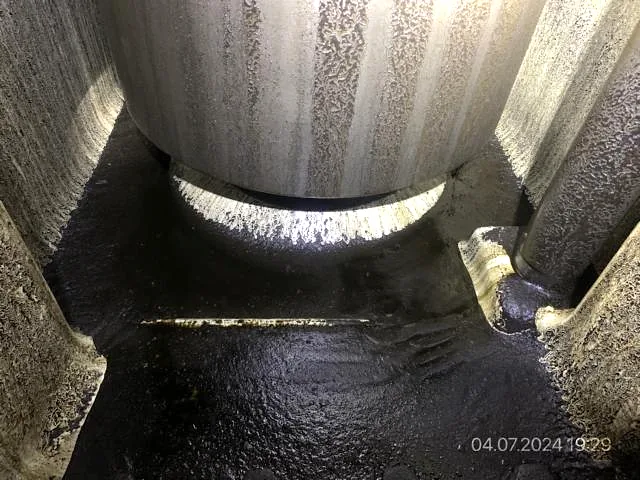
Across the fleet, maintenance practice varied widely. Some vessels had spotless scavenge spaces and piston undersides; others showed steady build-up of sludge and deposits.

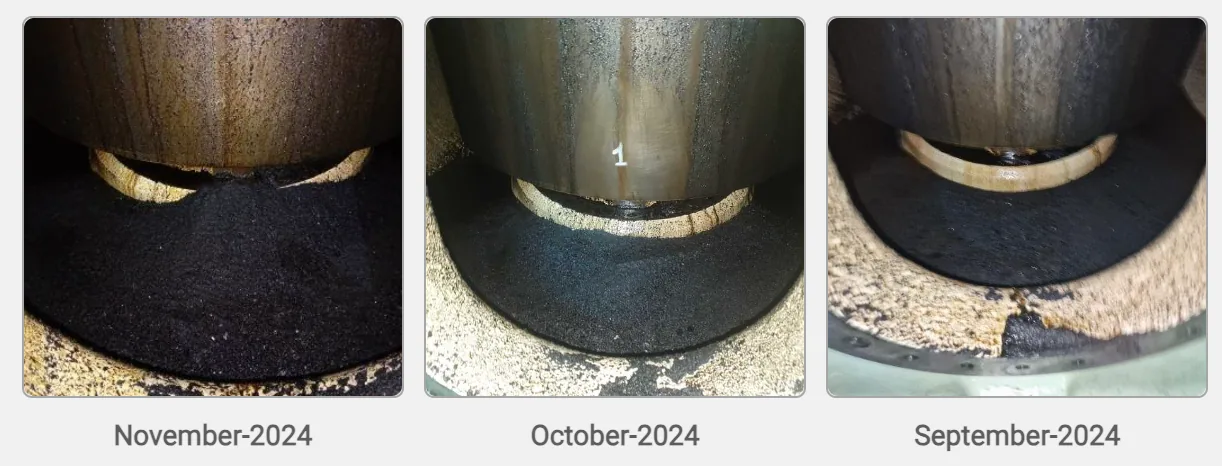
The 13% of vessels with poor cleaning practice accumulated sludge progressively over 3–6 months, raising the risk of scavenge fires, overheating and reduced efficiency.

How CCM drives better maintenance

High-resolution monthly images give clear evidence of condition. Managers see which vessels lag and enforce cleaning schedules. Visual documentation motivates crews, and cleanliness trends let effort go where it is needed.
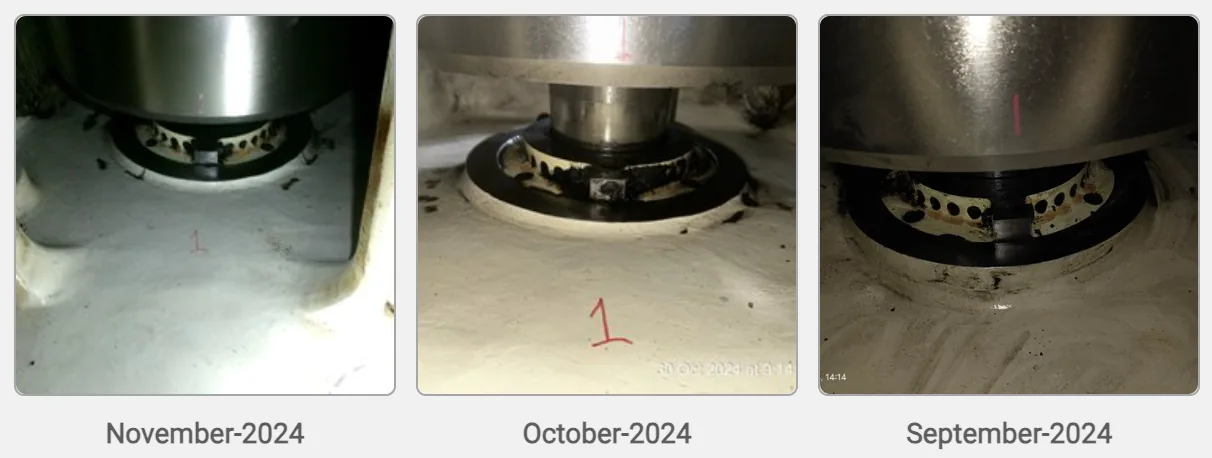
CCM Timeline: well-maintained scavenge space
CCM Timeline: poorly maintained scavenge space

Has your fleet seen something similar?

Talk to a CCM engineer